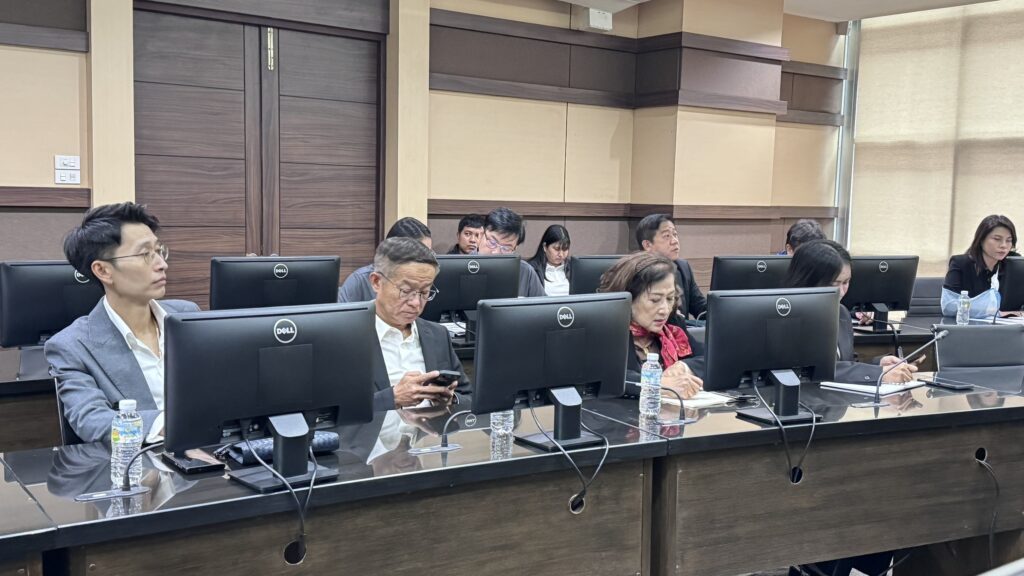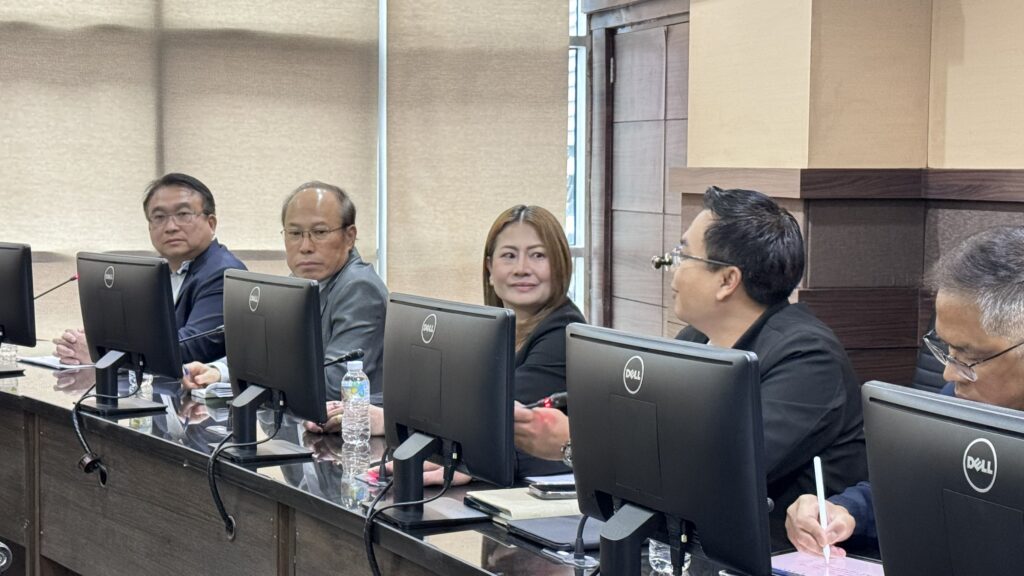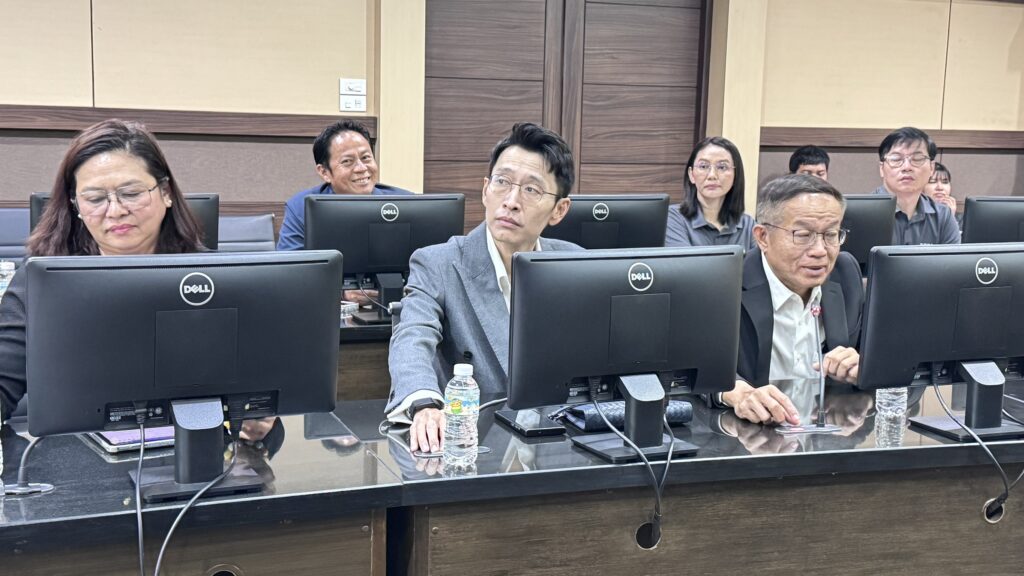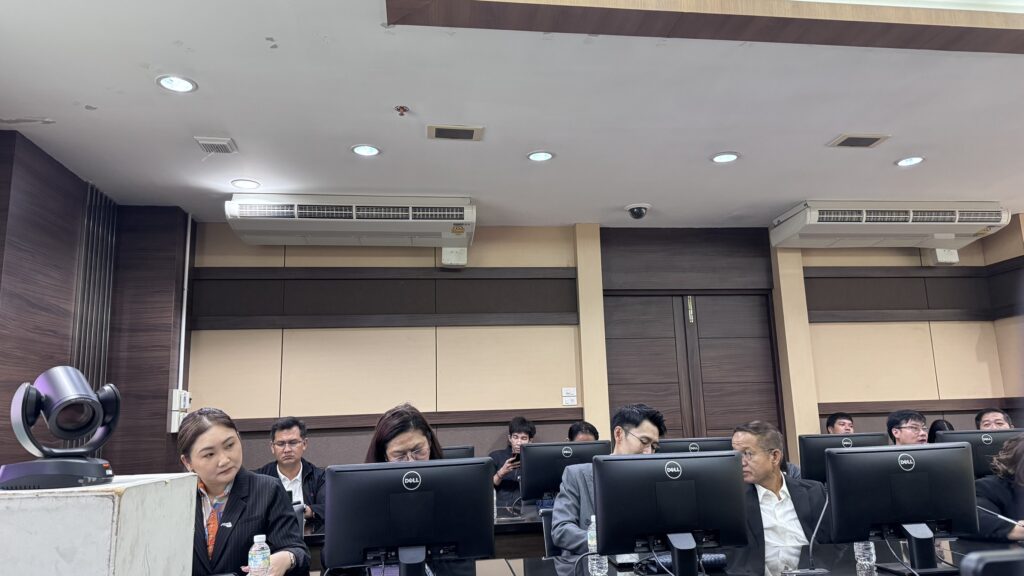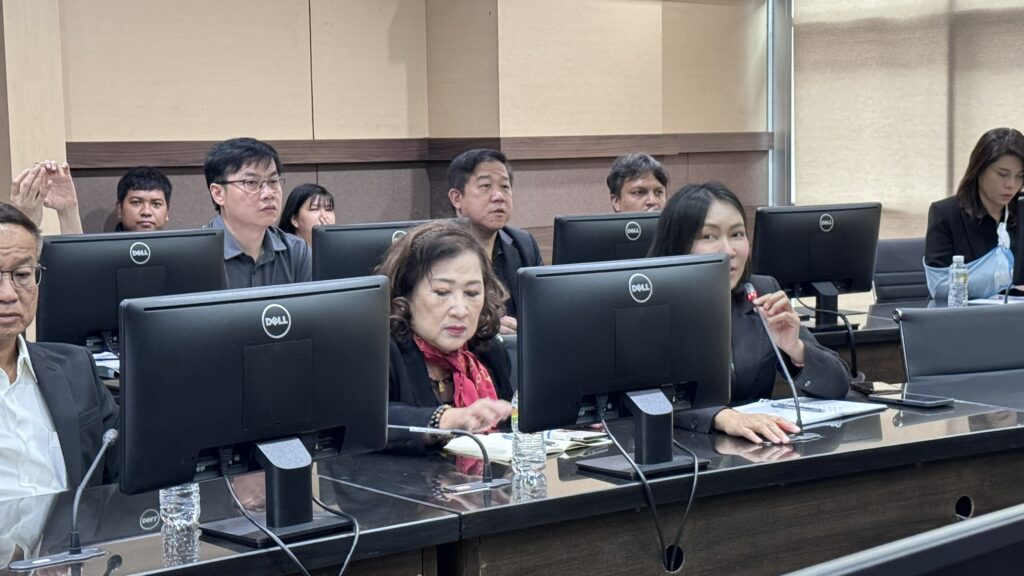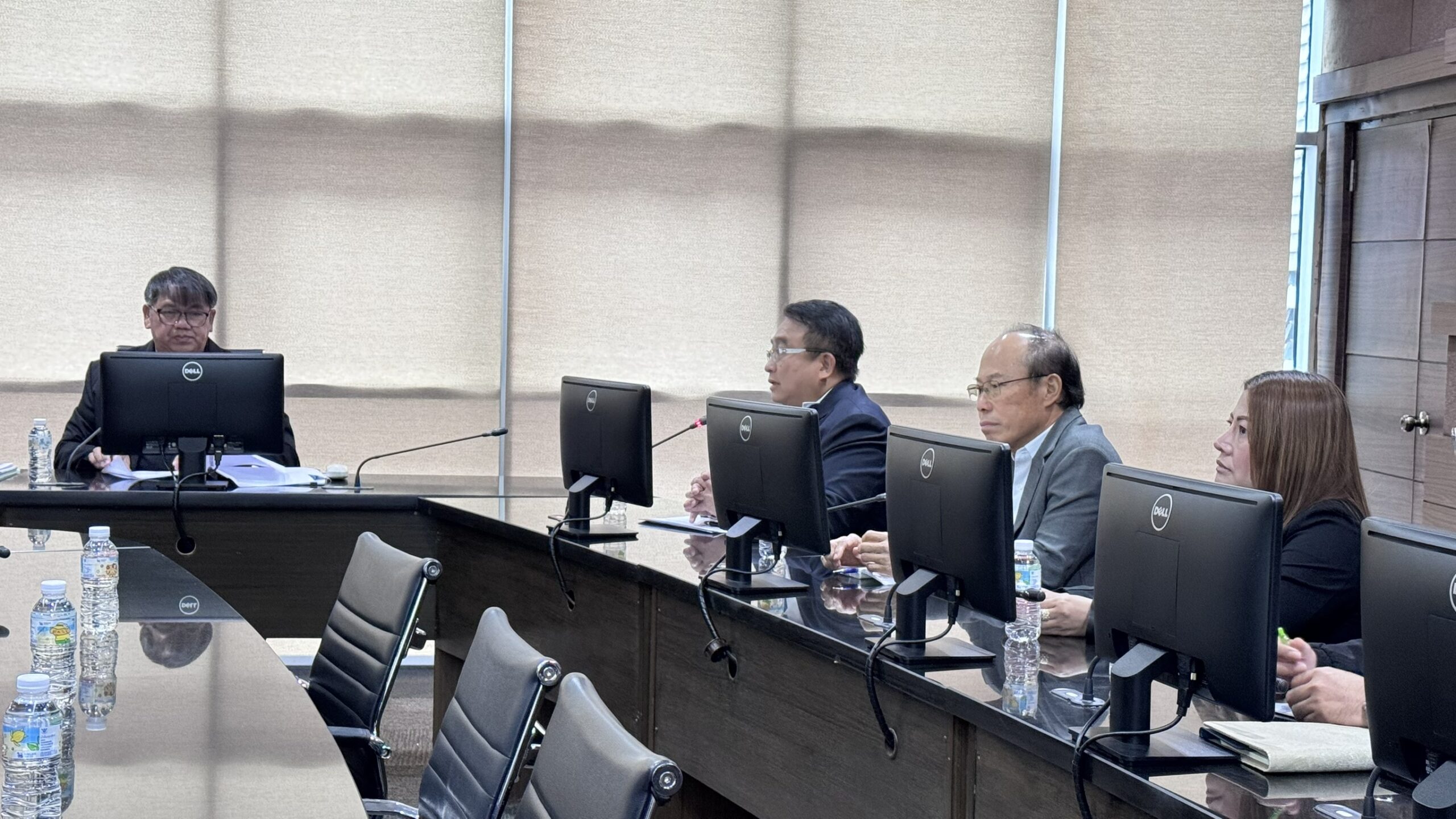
The meeting was led by Mr. Sunthorn Kaewsawang, Deputy Permanent Secretary of the Ministry of Industry, together with relevant agencies, including the Industrial Estate Authority of Thailand, the Department of Industrial Works, the Department of Primary Industries and Mines, and agencies under the Federation of Thai Industries, namely the Water and Environment Institute for Sustainability and Climate Change, and the Environmental Management Industry Club.
Background and Objectives of the Meeting
Following the resolution of the consultation meeting with the Prime Minister on 12 May 2026, under proposal item 2.6: Enhancing Thailand’s Industrial Waste Management, the meeting agreed with the proposal and assigned the Ministry of Industry to proceed in collaboration with the Federation of Thai Industries.
The proposed actions and implementation guidelines are as follows:
- Collaborate with the Ministry of Industry to push forward the draft Industrial Waste Management Act and address limitations that directly affect entrepreneurs.
- Support the use of AI in the process of granting permission for industrial waste to be transported outside factories through an Automatic E-license system.
- Jointly develop a database of Waste Generators and Waste Processors.
- Prepare cooperation proposals to promote Circular Economy and End-of-Waste initiatives.
- Implement Circular Economy pilot projects by selecting pilot industries or areas to test the exchange of residual materials between factories and expand the results into a model for wider implementation.
Summary of Discussion Points
- Reduce approval procedures for entrepreneurs with certified standards, through screening or certification by a third party.
- Require waste disposal operators and transporters to declare weight, route, and waste management status information in real time.
- Push forward the new Industrial Waste Act to regulate the entire system and impose stricter penalties.
- Establish an industrial waste management fund to serve as a reserve fund for addressing urgent problems and restoring the environment.
- Promote the beneficial reuse of industrial waste, such as Aluminum Dross, Synthetic Gypsum, and Fly Ash.
- The private sector requires official information on offenders in order to help avoid using services from non-compliant operators.